
Canada Leading the Way in 2025: Life Sciences Innovation Redefining Global Health
Canada Leading the Way in 2025: Life Sciences Innovation Redefining Global Health
Major awards, new investments and infrastructure expansions in 2025 are shining a spotlight on Canada’s global life sciences leadership and innovation. These developments demonstrate Canada’s research excellence, sustained government commitment and commercial confidence in the life sciences sector—factors that not only drive health breakthroughs, but also make Canada a compelling destination for international business events.
At a glance
Here are the latest headlines shaping Canada's life sciences ecosystem:
- Dr. Daniel Drucker of the University of Toronto shares the US$3M Breakthrough Prize in Life Sciences for discoveries that paved the way for obesity and diabetes treatments including Ozempic and Wegovy.
- Merck chooses Montréal for the first international expansion of its Digital Sciences Studio, launching an accelerator to scale Canadian biotech and digital health startups.
- The Government of Canada commits more than $1.3B to support more than 9,700 researchers and projects nationwide, including major funding through the Canadian Institutes of Health Research for health and biomedical science innovation.
- Bruce Power expands isotope production in Ontario with a new system doubling capacity for lutetium-177, a cancer-fighting treatment in high global demand.
- Inspire Bio Innovations transforms the historic Montreal Chest Institute into a modern life sciences hub, while OmniaBio opens North America’s largest cell and gene therapy manufacturing facility in Hamilton.
Read on for the full story behind each of these developments—and how together they reinforce Canada’s position as a leader in life sciences innovation and a natural destination for international business events.
International Recognition Validates Excellence
$3M Breakthrough Prize for Obesity Treatment Discovery
In April, Dr. Daniel Drucker of the University of Toronto was named one of five scientists to share a US$3 million Breakthrough Prize in Life Sciences for discoveries that led to revolutionary obesity and diabetes treatments including Ozempic, Wegovy and Mounjaro. The Breakthrough Prize is the world’s largest international science award, often referred to as the “Oscars of Science.”
Drucker's 40 years of research on glucagon-like peptide-1 (GLP-1) demonstrated how the hormone stimulates insulin production while controlling appetite. His discovery turned a once-obscure gut hormone into the foundation of a multi-billion-dollar class of drugs now reshaping modern medicine. The impact extends beyond diabetes—recent trials show benefits for heart disease, sleep apnea, arthritis and liver disease, with research expanding into Parkinson's and Alzheimer's.
Global Investment Follows Innovation
Merck Chooses Montréal for First International Expansion
In June, Merck launched the Merck Digital Sciences Studio (MDSS) in Montréal—marking the program’s first expansion outside the United States. The studio is a six-month accelerator designed to support digital health and AI-driven biopharmaceutical startups in Canada. Seven Canadian startups were selected to receive mentorship from Merck and Centech, funding through the Merck Global Health Innovation Fund, CQDM, or Merck Canada, as well as access to specialized training and exposure to Merck’s decision makers.
The MDSS in Montréal aims to supercharge innovations in areas like preventive health, biologics R&D platforms, and 3D disease modeling—helping startups advance digital-first drug discovery and therapeutic development.
The government of Québec is backing the initiative with $900,000 through its Life Sciences Strategy, underscoring regional commitment to nurturing deep-tech biomedical ventures.
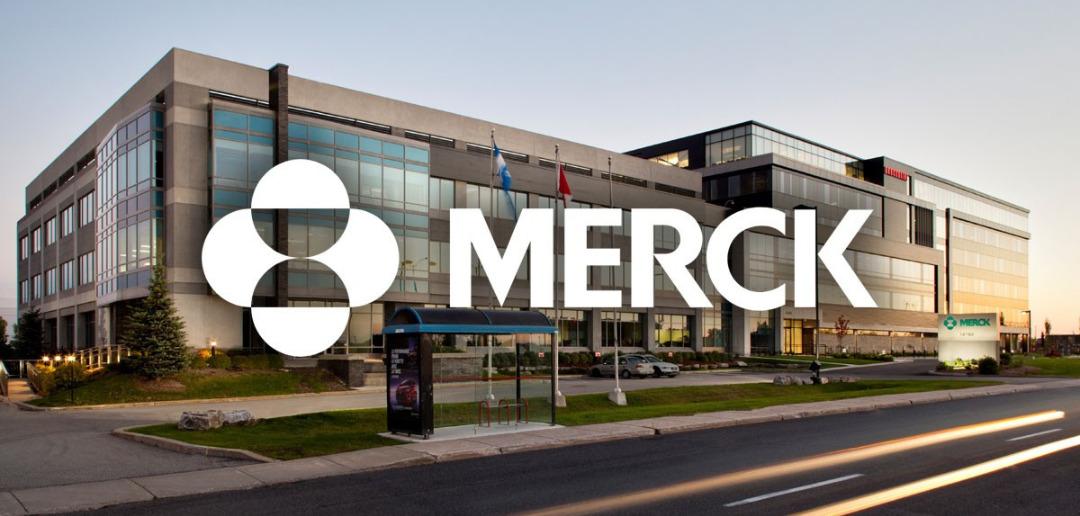
Merck in Montréal, Québec
Photo Credit: Merck Canada Media Centre
Government Investment Signals Long-Term Commitment
$1.3B Federal Investment Supports 9,700+ Researchers
In July, the Government of Canada announced more than $1.3 billion in funding to support more than 9,700 researchers and projects nationwide. This includes funding through the Canadian Institutes of Health Research, supporting the next generation of researchers tackling some of the most pressing challenges faced by Canadians and the world today.
Canada Expands Role in Cancer-Fighting Isotopes
In August, Bruce Power announced the installation of a new isotope production system in Unit 6 of its nuclear facility in Ontario, marking a major step forward in the production of lutetium-177 (Lu-177), a medical isotope used in targeted cancer therapies. Bruce Power already operates the world’s first commercial nuclear reactor to produce Lu-177, in partnership with Isogen and the Saugeen Ojibway Nation, and the new system will double its capacity.
The announcement coincided with a visit from the Honourable Tim Hodgson, Canada’s Minister of Energy and Natural Resources, who highlighted the country’s leadership in medical isotope production. Ontario currently supplies approximately 50 per cent of the world’s medical isotopes, and the government has launched the Canadian Medical Isotope Ecosystem to strengthen this role. Global demand is rising sharply, with the market for medical isotopes worldwide expected to reach up to US$33 billion by 2031. [source]

Isotope Target
Photo Credit: Ryan Bolton
Infrastructure Builds for the Future
Award-Winning Montréal Life Sciences Hub Opens
In March, Inspire Bio Innovations launched a new life sciences hub in downtown Montréal by redeveloping the historic Montreal Chest Institute—a formerly abandoned hospital—into a purpose-built centre for biotech R&D, startups and laboratories.
The revitalization of the historic hospital won the World Architecture Festival’s Future Office: Project of the Year for its creative integration of heritage, resilience and sustainability.
Phase 1 now houses CellCarta’s global headquarters, with the antibody therapeutics company Ability Biotherapeutics signed on to occupy Phase 2—expected to complete by the end of 2026.
Inspire Bio Innovations is located in the heart of Montréal’s university and health corridor, surrounded by four leading universities, two major teaching hospitals and the Montreal Clinical Research Institute. With 450,000 square feet of lab and office space, the hub is designed to foster collaboration between biotech companies, researchers and startups, accelerating discovery and commercialization in life sciences.
North America's Largest Cell Therapy Manufacturing Facility Opens
In October 2024, OmniaBio officially opened Canada’s largest commercial cell and gene therapy manufacturing facility at McMaster Innovation Park in Hamilton, Ontario. The 120,000-square-foot centre integrates AI, robotics, biosensors and machine learning—making it one of the first facilities of its kind to adopt such advanced capabilities.
OmniaBio Inc. is a technology-focused, global cell and gene therapy contract development and manufacturing organization, harnessing more than a decade of expertise in regenerative medicine and advanced therapies.
Cell and gene therapies are cutting-edge treatments that use a patient’s own or engineered cells to repair or replace damaged tissues, often offering potential cures for conditions previously considered untreatable. Manufacturing “doses” in this context means producing batches of living cells that are delivered as personalized therapies to patients.
The facility is designed to scale rapidly: starting with up to 1,200 patient treatments annually, projected to expand to 5,000 by mid-2026, with infrastructure to reach 30,000 if needed.
In March 2025, the Government of Canada announced new funding to support the adoption of AI and robotics at OmniaBio’s Hamilton facility, aiming to increase production efficiency five-fold and cut costs by up to 50 per cent. This federal support reinforces the facility’s role in Canada’s Biomanufacturing and Life Sciences Strategy, ensuring Canada remains globally competitive in the fast-growing advanced therapies sector.
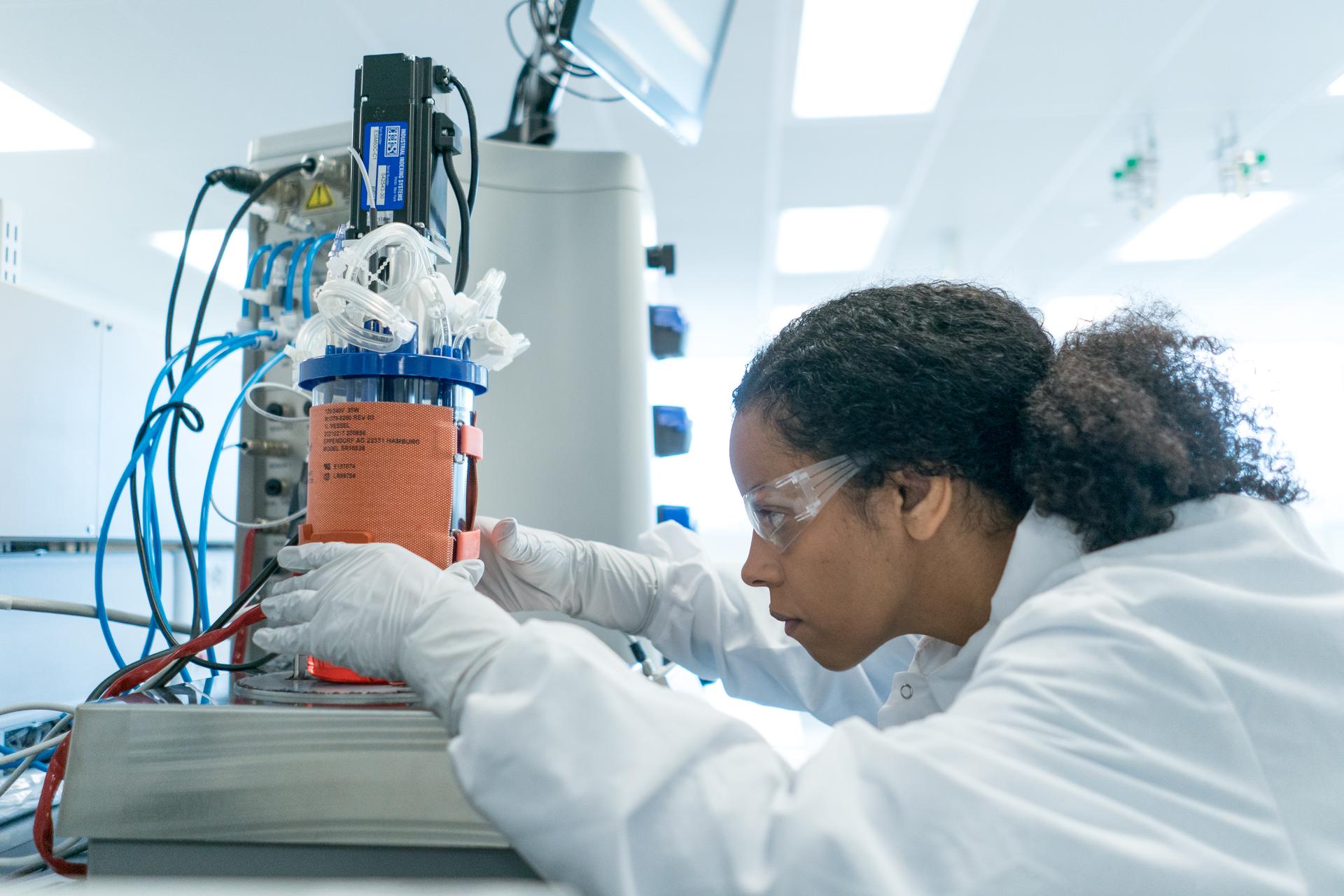
Researcher working in a lab at OmniaBio’s facility in Hamilton, Ontario
Photo Credit: OmniaBio
Canada: The Natural Choice for Life Sciences Leaders
These are just some of the recent examples that demonstrate Canada’s global strength in life sciences—where award-winning researchers, major investments and advanced facilities are driving discoveries that are shaping global health and innovation. For international associations and industry leaders, Canada offers the expertise, infrastructure and collaborative networks to elevate conference programming and inspire lasting outcomes.
Learn more
Explore how Canada's life sciences ecosystem can make your next business event extraordinary at: destinationcanada.com.
Learn more
Explore how Canada's life sciences ecosystem can make your next business event extraordinary at: destinationcanada.com.