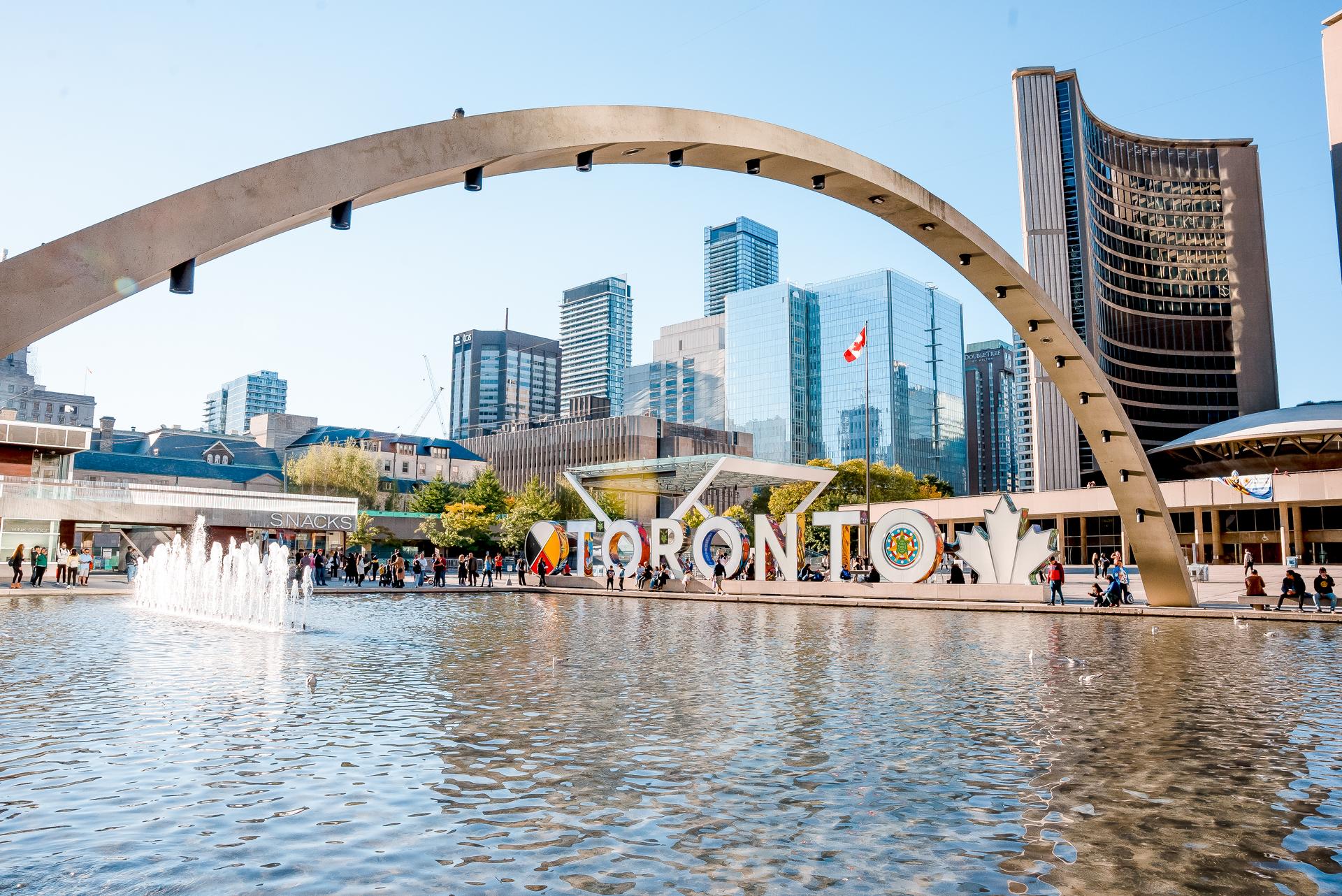
Canada’s health tech ecosystem is shaping the future of global healthcare
Canada’s future-focused thinkers are building the health tech solutions the world needs now. In Toronto, a thriving health corridor brings together universities, hospitals, research institutes, startups and tech leaders to accelerate transformative technologies—making life sciences conferences here a natural hub for sparking collaboration and discovery.
At a glance
A city built for collaboration
Toronto’s health cluster connects the University of Toronto, MaRS Discovery District, Vector Institute and Hospital Row—making it a powerhouse for connected innovation.
A vibrant culture of connection
From high-impact conferences at the Metro Toronto Convention Centre to dynamic weekly pitch nights, Toronto brings researchers, entrepreneurs and investors together.
Global breakthroughs, made in Canada
AI disease detection, life-saving transplant technology and robotics for children with mobility challenges all began in Canada—and are changing lives around the globe.
Local diversity drives global solutions
Toronto’s unmatched diversity helps produce AI and health tech that reflect real-world populations and scale globally.
Shaping global conversations about AI
Canada’s AI legacy, from Geoffrey Hinton’s visionary work to today’s medical applications, is drawing major events like the Global AI Summit.
Where collaboration sparks innovation
The Ontario Bioscience Innovation Organization (OBIO) has raised $1.6 billion to fuel the innovation pipeline, connecting startups with mentorship and funding.
Why it matters for your next meeting
Canada’s life sciences sector is built for collaboration—giving your event direct access to a health tech ecosystem that drives global breakthroughs.
A city built for collaboration
Anchoring this corridor is the University of Toronto, a global research powerhouse, and the MaRS Discovery District, North America’s largest urban innovation hub. More than 1,200 technology and science startups share space there with global firms like Merck and Novartis.
Just steps away is Hospital Row, connected by underground tunnels that enable collaboration and patient care, including:
- The Hospital for Sick Children (SickKids), advancing research into genomics, immunology and rare childhood diseases.
- St. Michael’s Hospital, part of Unity Health Toronto.
- Toronto General Hospital, site of the world’s first successful lung transplant and part of the University Health Network.
Nearby the Vector Institute partners with hospitals and universities to bring advances in artificial intelligence (AI) directly into healthcare. At SickKids, for example, AI is improving paediatric emergency care—one of many ways Canadian expertise is reshaping medicine.
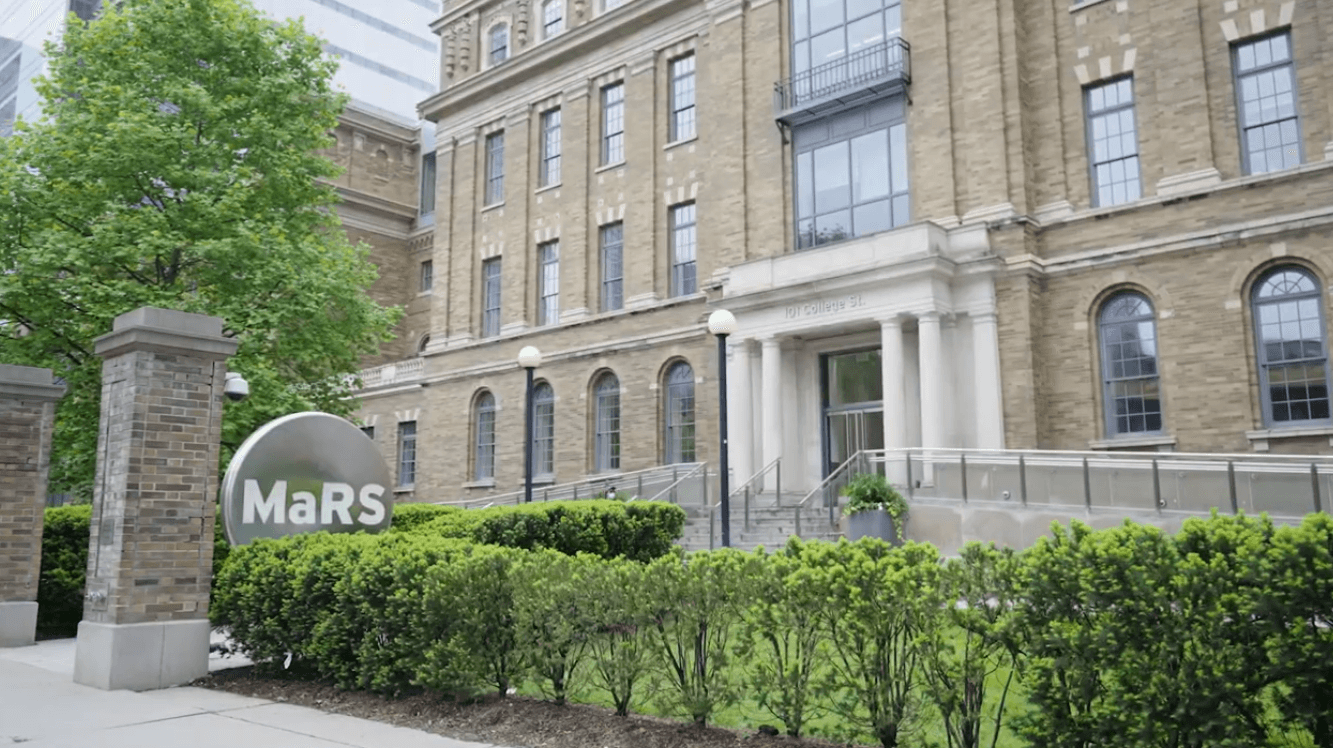
MaRS Discovery District
A vibrant culture of connection
Collaboration doesn’t stop at the lab. The Metro Toronto Convention Centre hosts major global gatherings within blocks of the city’s leading research partners. When the Alzheimer’s Association convened thousands of researchers, clinicians and dementia specialists here in 2025, a highlight was a demonstration by Toronto-based startup RetiSpec, which uses AI-powered retinal scans to detect signs of Alzheimer’s.
Each week, the city also hosts dozens of life sciences gatherings and pitch nights, creating a steady flow of ideas, advice and investment.
In these dynamic hubs of innovation, engineers, entrepreneurs and epidemiologists share elevators—and chance encounters lead to breakthroughs with global impact.

Metro Toronto Convention Centre
Photo Credit: Destination Toronto
Global breakthroughs, made in Canada
What happens when ideas collide in Canada? Breakthroughs that change lives:
- BlueDot: An AI disease detection platform that alerted clients to COVID-19 days before the World Health Organization issued its global alert.
- Ex Vivo Lung Perfusion System: Keeps donor lungs viable for three days—enabling more than 1,000 life-saving transplants worldwide.
- Altis Labs: Uses AI to assess the effectiveness of cancer therapies more accurately than conventional methods.
- Trexo Robotics: An exoskeleton helping children with mobility challenges walk.
- AGE-WELL Innovation Studio: A downtown apartment lab testing new technologies such as smart stoves and fall-detection systems that help older adults live independently.
These are not isolated stories. They reflect a connected ecosystem—where Canadian ideas scale into worldwide impact.
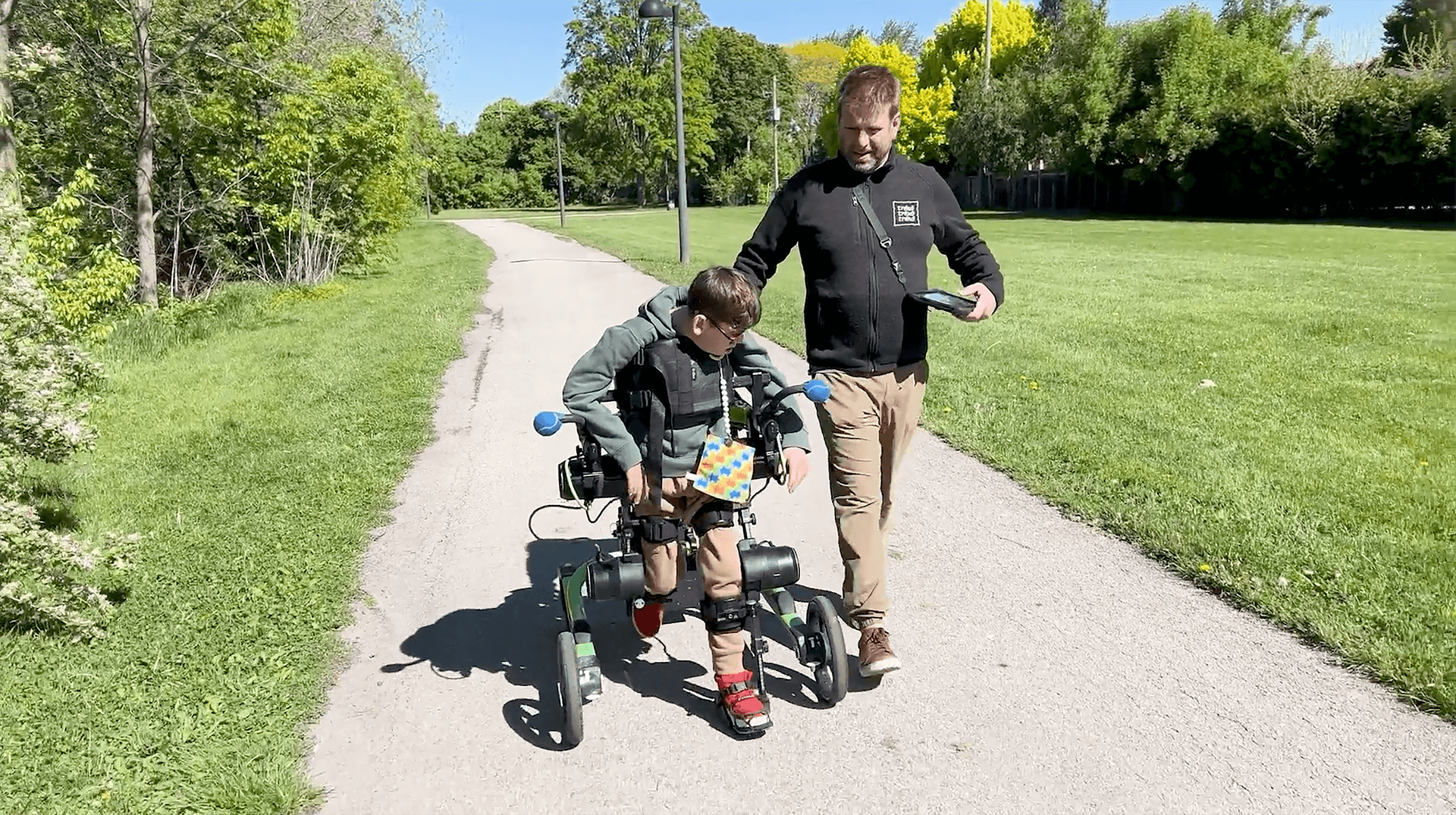
Mitchell and his father Marc Robert walking together using a Trexo exoskeleton developed in the Greater Toronto Area
Local diversity drives global solutions
Toronto is one of the most diverse cities in the world: 47 per cent of residents are born outside Canada, representing 250 ethnicities and speaking 170 languages.
For health innovation, this is an advantage. Clinical trials here better reflect real-world populations, ensuring technologies can scale globally.
Muhammad Mamdani of Unity Health Toronto, who has launched more than 50 analytic tools, notes this unmatched diversity makes AI developed in Toronto highly robust.
At Klick Labs, researchers are training AI to detect Type 2 diabetes from short voice samples—drawing on Toronto’s linguistic and cultural diversity to create solutions ready for the world.
Shaping global conversations about AI
Canada’s reputation in health tech stems from decades of research. Nobel Prize winner Geoffrey Hinton—often called the “godfather of AI”—established Toronto as a global hub for artificial intelligence.
His work attracted talent, investment and new ideas that continue to ripple through Canada’s innovation ecosystem today.
That legacy now flows directly into life sciences, with Canadian innovations in AI advancing everything from paediatric emergency care to cancer trials. It’s also drawing the world to Canada.
This fall, Toronto Metropolitan University will host the Global AI Summit, which will focus on achieving a balance between innovation and social responsibility.
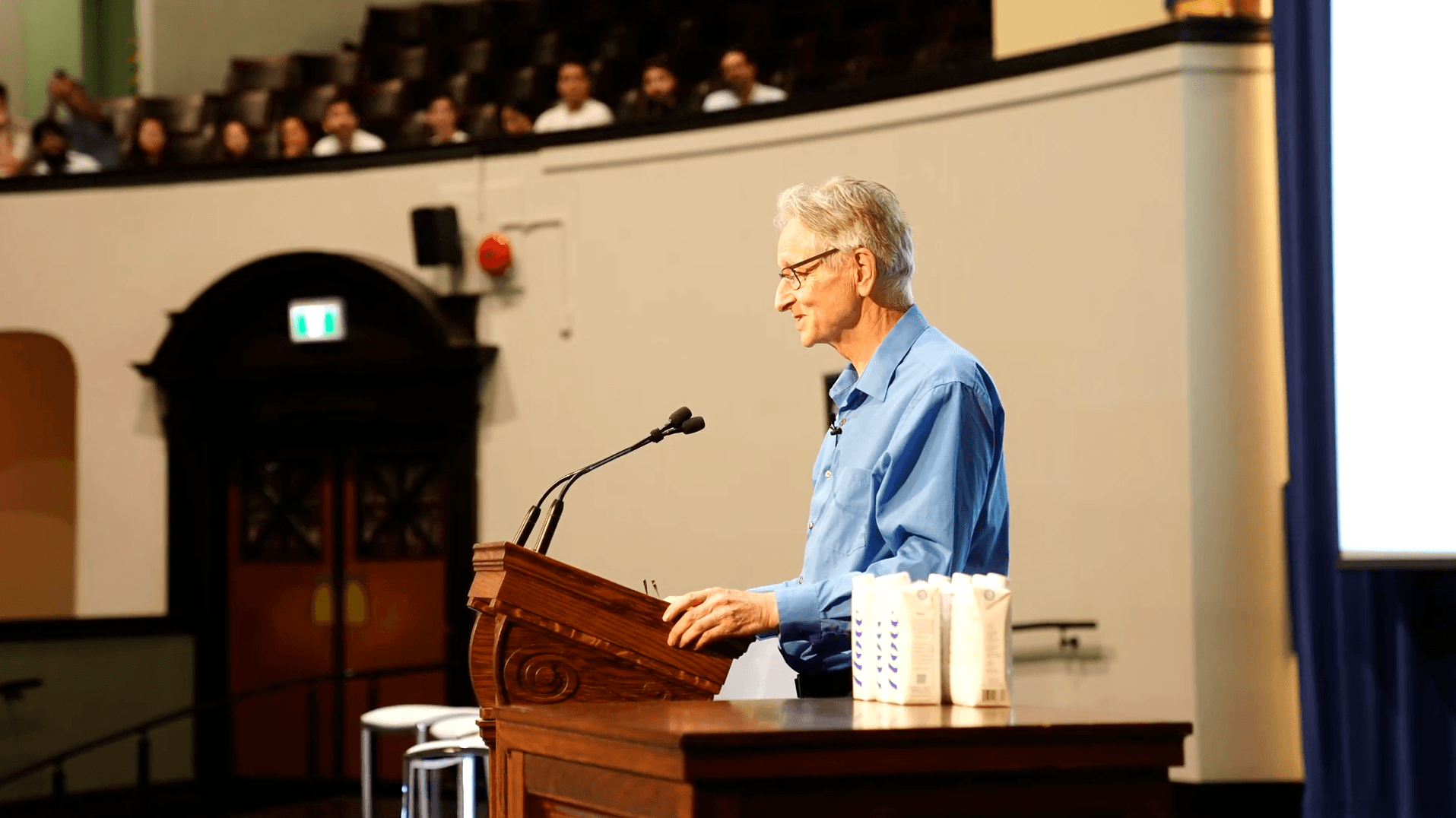
Nobel Prize winner, Geoffrey Hinton
Where collaboration sparks innovation
Toronto’s innovation ecosystem thrives on what MaRS CEO Grace Lee Reynolds calls “collisions”—chance encounters between researchers, clinicians, entrepreneurs and investors that turn local breakthroughs into global solutions.
Organizations like the Ontario Bioscience Innovation Organization (OBIO) fuel the pipeline by connecting startups with mentorship and funding. Noa Therapeutics, which is developing new treatments for chronic inflammatory conditions, received seed funding through OBIO’s Women in Health Initiative. In total, OBIO has helped raise more than $1.6 billion for health tech startups.
This blend of chance encounters and structured partnerships means meetings in Canada don’t just happen—they generate ongoing momentum—so innovation comes naturally.
Learn more
Meeting in Canada means tapping into one of the world’s most dynamic life sciences ecosystems—where discoveries move from idea to impact faster.
Learn more
Meeting in Canada means tapping into one of the world’s most dynamic life sciences ecosystems—where discoveries move from idea to impact faster.