11th International Conference on Isotopes Case Study
11th International Conference on Isotopes Case Study
Small event, big impact: Intellectual capital in action
Destination Canada's three-year Legacy & Impact Study highlights the long-term economic, social and environmental benefits of major events hosted in Canada. This case study examines how the 11th International Conference on Isotopes (ICI) leveraged Saskatoon’s nuclear expertise to respond to instability in global isotope supply, vital to healthcare and food security worldwide.
Small event, big impact: Intellectual capital in action
Destination Canada's three-year Legacy & Impact Study highlights the long-term economic, social and environmental benefits of major events hosted in Canada. This case study examines how the 11th International Conference on Isotopes (ICI) leveraged Saskatoon’s nuclear expertise to respond to instability in global isotope supply, vital to healthcare and food security worldwide.
The 11th International Conference on Isotopes (ICI) took place at a pivotal moment, when the global isotope sector was grappling with scarcity and supply vulnerabilities.
Russia’s invasion of Ukraine in 2022 had removed two major isotope producers from the global supply chain, putting cancer treatments and food security at risk.
As a result, steadying global supply quickly became a focus for the conference, held in Saskatoon, Saskatchewan, July 23-27, 2023.
Hosted by the Sylvia Fedoruk Canadian Centre for Nuclear Innovation (the Fedoruk Centre) in collaboration with the University of Saskatchewan and Discover Saskatoon, the conference was intentionally designed for impact.
The World Council on Isotopes (WCI), dedicated to isotope technologies that support global wellbeing, worked with its Canadian hosts and institutions to fast‑track the evolution of new therapies. This included establishing research and development funding, and elevating the city’s intellectual capital to attract new investors, researchers and trading partners.
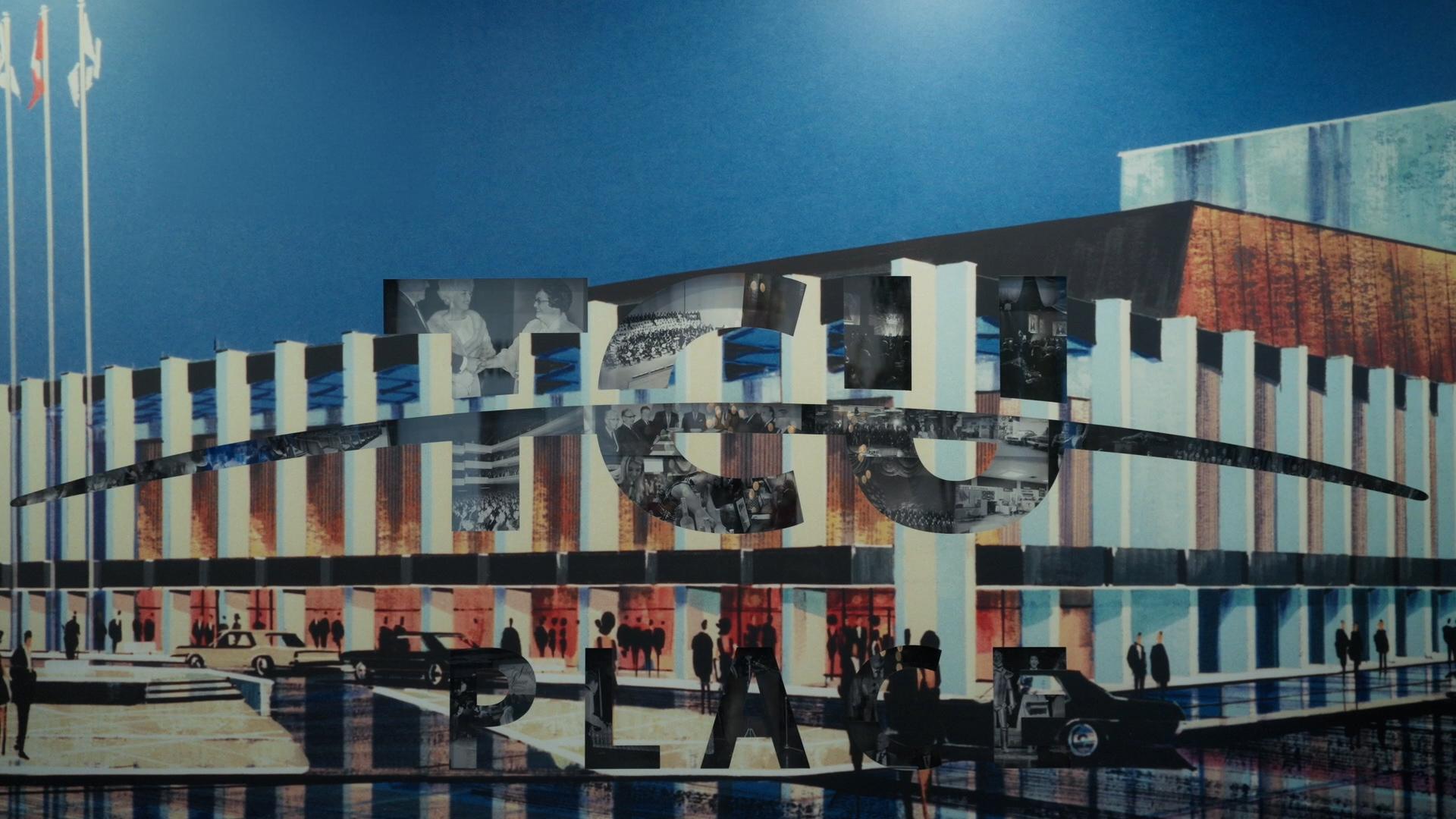
With the theme “Isotopes around us, their applications and beyond”, the conference convened 282 delegates from 21 countries at TCU Place in Saskatoon, focusing on peaceful applications of isotopes, including nuclear medicine and food safety.
Within months, agreements, funding and partnerships moved from discussion to implementation. The conference also helped attract new business events to the city and generated lasting social, intellectual and policy outcomes, with benefits continuing to compound for healthcare and for Canada.
 TCU Place, Saskatoon, Saskatchewan
The 11th International Conference on Isotopes (ICI) took place at a pivotal moment, when the global isotope sector was grappling with scarcity and supply vulnerabilities.
Russia’s invasion of Ukraine in 2022 had removed two major isotope producers from the global supply chain, putting cancer treatments and food security at risk.
As a result, steadying global supply quickly became a focus for the conference, held in Saskatoon, Saskatchewan, July 23-27, 2023.
Hosted by the Sylvia Fedoruk Canadian Centre for Nuclear Innovation (the Fedoruk Centre) in collaboration with the University of Saskatchewan and Discover Saskatoon, the conference was intentionally designed for impact.
The World Council on Isotopes (WCI), dedicated to isotope technologies that support global wellbeing, worked with its Canadian hosts and institutions to fast‑track the evolution of new therapies. This included establishing research and development funding, and elevating the city’s intellectual capital to attract new investors, researchers and trading partners.
With the theme “Isotopes around us, their applications and beyond”, the conference convened 282 delegates from 21 countries at TCU Place in Saskatoon, focusing on peaceful applications of isotopes, including nuclear medicine and food safety.
Within months, agreements, funding and partnerships moved from discussion to implementation. The conference also helped attract new business events to the city and generated lasting social, intellectual and policy outcomes, with benefits continuing to compound for healthcare and for Canada.
TCU Place, Saskatoon, Saskatchewan
Role of the Destination Marketing Organization
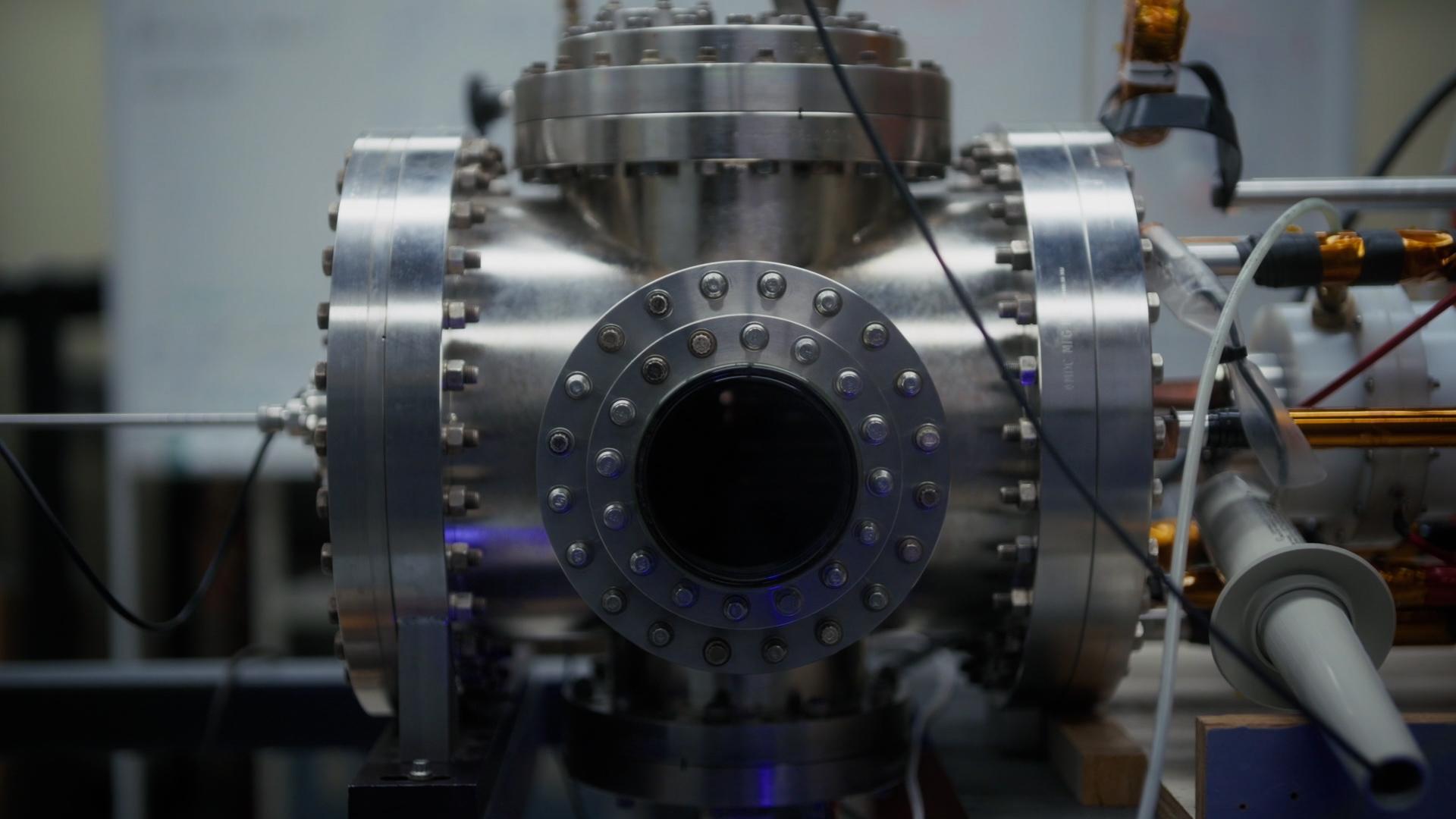
As a smaller city that may be less familiar to international travellers, Saskatoon competes through its intellectual strengths. The city is a global leader in isotope development and production, with impressive research infrastructure, sector leadership and a welcoming spirit that supports meaningful delegate experiences.
Its destination marketing organization (DMO), Discover Saskatoon, worked with the University of Saskatchewan and the Fedoruk Centre to position the city’s nuclear medicine expertise on a global stage. By aligning Saskatoon’s intellectual capital with a worldwide gap in isotope production, the conference elevated the destination’s reputation and competitiveness.
Discover Saskatoon framed the conference as a “small event with big impact” and tapped into the city’s network of scientists and deep research and development capacity to align local assets with the world’s immediate need for stable isotope supplies. As geopolitical uncertainty made new isotope production pathways critical, these efforts resonated globally.
The DMO worked with co‑chairs Dr. Lidia Matei, then Corporate Business Officer of the Fedoruk Centre, and Dr. Chary Rangacharyulu, professor of physics and engineering physics at the University of Saskatchewan. Together, they primed legacy outcomes before, during and after the conference, an approach consistent with the framework used throughout the Legacy & Impact Study to measure outcomes.
This messaging made Saskatoon’s intellectual capital the hero: a knowledge centre where radiochemistry, accelerator physics, radiopharma startups and major national labs collaborate every day.
Role of the Destination Marketing Organization
As a smaller city that may be less familiar to international travellers, Saskatoon competes through its intellectual strengths. The city is a global leader in isotope development and production, with impressive research infrastructure, sector leadership and a welcoming spirit that supports meaningful delegate experiences.
Its destination marketing organization (DMO), Discover Saskatoon, worked with the University of Saskatchewan and the Fedoruk Centre to position the city’s nuclear medicine expertise on a global stage. By aligning Saskatoon’s intellectual capital with a worldwide gap in isotope production, the conference elevated the destination’s reputation and competitiveness.
Discover Saskatoon framed the conference as a “small event with big impact” and tapped into the city’s network of scientists and deep research and development capacity to align local assets with the world’s immediate need for stable isotope supplies. As geopolitical uncertainty made new isotope production pathways critical, these efforts resonated globally.
The DMO worked with co‑chairs Dr. Lidia Matei, then Corporate Business Officer of the Fedoruk Centre, and Dr. Chary Rangacharyulu, professor of physics and engineering physics at the University of Saskatchewan. Together, they primed legacy outcomes before, during and after the conference, an approach consistent with the framework used throughout the Legacy & Impact Study to measure outcomes.
This messaging made Saskatoon’s intellectual capital the hero: a knowledge centre where radiochemistry, accelerator physics, radiopharma startups and major national labs collaborate every day.
Legacy intentions
Local hosts and partners agreed on a concise legacy brief, set prior to the event:
- Catalyze new isotope production, research and development, with an emphasis on healthcare.
- Attract research funding through new professors and international specialists to strengthen Saskatchewan's research capacity.
- Change perceptions of Saskatoon's strengths in nuclear medicine.
- Grow the future workforce, with inclusive pathways for women, students, and First Nations, Métis, and Inuit participants.
Legacy intentions
Local hosts and partners agreed on a concise legacy brief, set prior to the event:
- Catalyze new isotope production, research and development, with an emphasis on healthcare.
- Attract research funding through new professors and international specialists to strengthen Saskatchewan's research capacity.
- Change perceptions of Saskatoon's strengths in nuclear medicine.
- Grow the future workforce, with inclusive pathways for women, students, and First Nations, Métis, and Inuit participants.
Key outcomes
Sector transformation and system resilience
- A collaboration between Canadian Nuclear Laboratories (CNL) and the Fedoruk Centre, announced during the conference, set out to increase production of the cancer treatment isotope Actinium‑225 by more than 30 times, enabling larger clinical trials for targeted alpha therapies. By 2025, successful cyclotron irradiations and client deliveries had positioned Canada as a pivotal supplier in a constrained global market.
- The momentum extended beyond a single agreement. Saskatoon’s isotopes ecosystem worked together to advance alternative production pathways. Iotron Medical is just one example, producing Copper‑67 for theranostics, building on the city’s linear accelerator, cyclotron and Canadian Light Source (CLS) technology. Combined, these efforts reduced reliance on vulnerable reactor routes and overseas suppliers, strengthening resilience across the isotope sector.
Research acceleration and investment
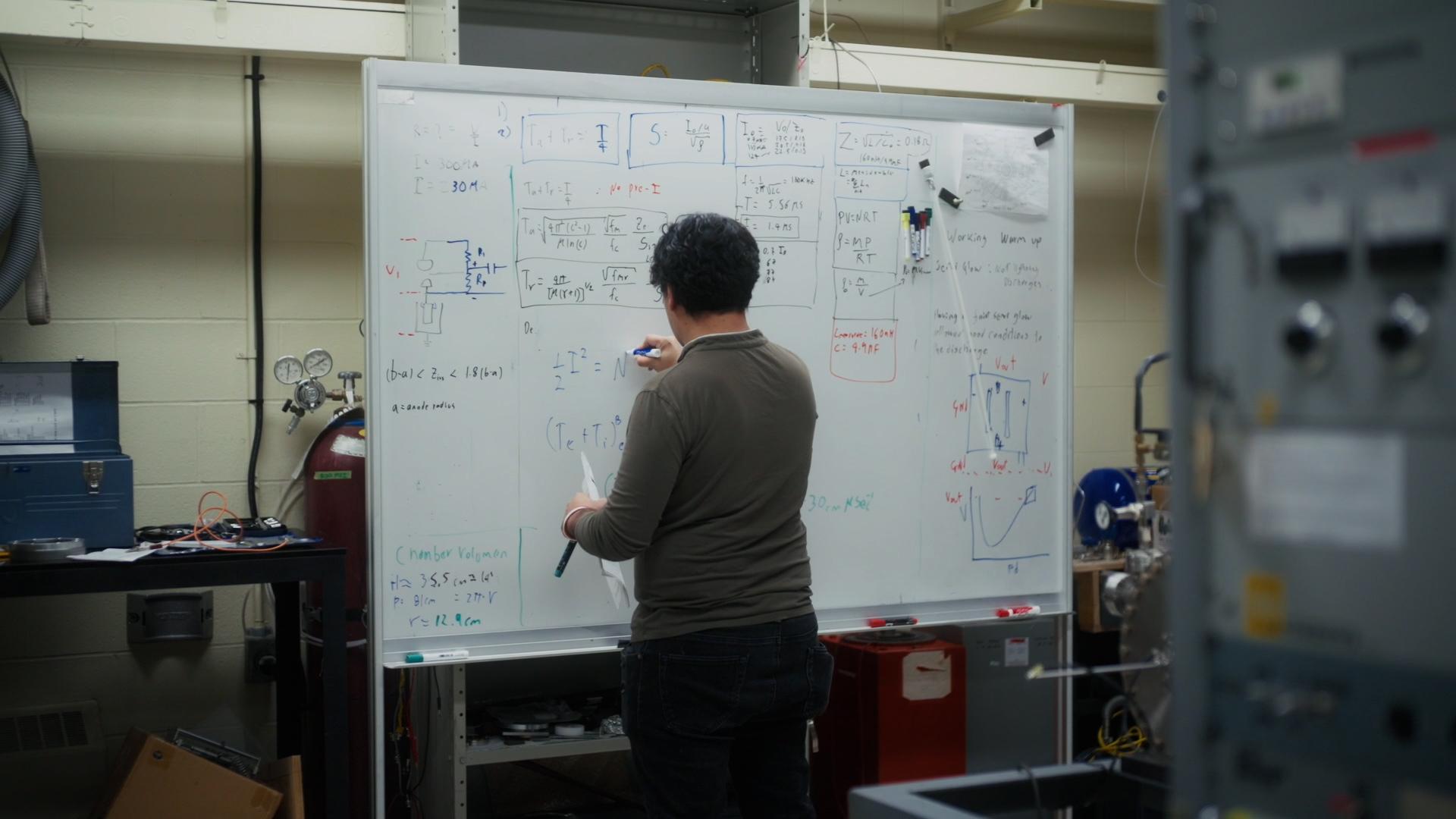
During the conference, the federal agency Prairies Economic Development Canada (PrairiesCan) announced $410,650 in funding for the Fedoruk Centre to advance nuclear imaging and therapeutic radiopharmaceuticals in health care. Within five months, three new compounds had been developed and included in the Centre's portfolio.
Destination reputation and sector leadership
Hosting the conference elevated Saskatoon’s profile as a serious hub for nuclear science and measurement applications. The Fedoruk Centre received the Canadian Nuclear Isotopes Council Not-for-Profit Advocacy Award in recognition of its work and dedication in bringing the event to Canada.
The global exposure translated into new business, reinforcing the city’s long-term position within the sector. Saskatoon hosted both the 2024 Canadian Nuclear Society Annual Conference and the 2025 Canadian Association of Physicists Congress. Drs. Matei and Rangacharyulu also championed a successful bid for the 13th International Topical Meeting on Industrial Radiation and Radioisotope Measurement Applications (IRRMA 13), now due to take place in Saskatoon in 2028.
Talent development and inclusive participation
The conference strengthened the sector’s talent pipeline and expanded access to opportunity. Young professionals and students were encouraged to join the industry through the Best Poster Award and Honorary Mentions of Best Abstracts for oral presentations, while a pre-conference summer school and technical tours connected emerging talent directly with industry leaders.
Leadership was also recognized. Dr. Matei received the International Conference on Isotopes Chair Award in recognition of her work delivering the conference, reinforcing Saskatchewan’s standing within the global isotope community.
The conference reinforced inclusive pathways into the field, with Lyndon Linklater, a traditional Knowledge Keeper and storyteller, opening the event. Linklater is a citizen of the Thunderchild First Nation (Plains Cree) in Treaty 6 and has roots in Couchiching First Nation (Fort Francis, Ontario) in Treaty 3. He emphasized the importance of diversity to scientific progress, the role of the Indigenous community and the significance of collaboration.
A special “Marie Curie — Harriet Brooks —Sylvia Fedoruk” plenary session acknowledged the prominent roles of women in nuclear science, internationally and locally. The session featured Dr. Melissa Denecke of the International Atomic Energy Agency, Amy Gottschling of Atomic Energy Canada Limited and Dr. Kirsten Laurin-Kovitz of the Argonne National Laboratory.
Facility access and student involvement at the Saskatchewan Cyclotron Facility increased measurably in 2023, signalling sustained engagement beyond the event.
Public understanding and sector legitimacy
Conference hosts and speakers highlighted isotope applications beyond medicine, including safe food irradiation that reduces bacteria and extends shelf life. They reinforced how these uses are governed through Canadian standards and International Atomic Energy Agency (IAEA) frameworks, which underpin public trust. By highlighting the regulated, peaceful uses of isotope technologies, the conference strengthened sector legitimacy and public confidence.
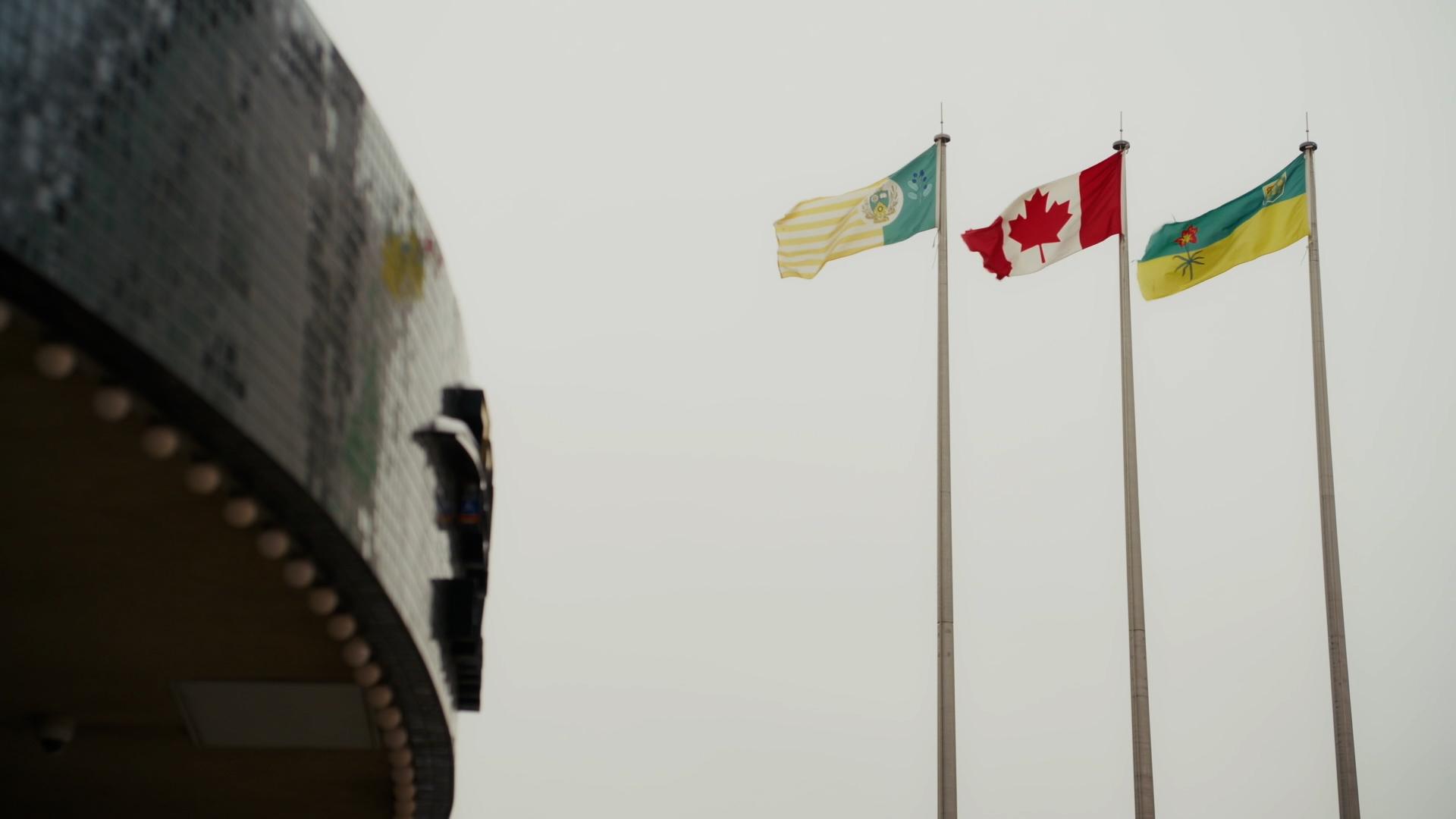 TCU Place, Saskatoon, Saskatchewan
Key outcomes
Sector transformation and system resilience
- A collaboration between Canadian Nuclear Laboratories (CNL) and the Fedoruk Centre, announced during the conference, set out to increase production of the cancer treatment isotope Actinium‑225 by more than 30 times, enabling larger clinical trials for targeted alpha therapies. By 2025, successful cyclotron irradiations and client deliveries had positioned Canada as a pivotal supplier in a constrained global market.
- The momentum extended beyond a single agreement. Saskatoon’s isotopes ecosystem worked together to advance alternative production pathways. Iotron Medical is just one example, producing Copper‑67 for theranostics, building on the city’s linear accelerator, cyclotron and Canadian Light Source (CLS) technology. Combined, these efforts reduced reliance on vulnerable reactor routes and overseas suppliers, strengthening resilience across the isotope sector.
Research acceleration and investment
During the conference, the federal agency Prairies Economic Development Canada (PrairiesCan) announced $410,650 in funding for the Fedoruk Centre to advance nuclear imaging and therapeutic radiopharmaceuticals in health care. Within five months, three new compounds had been developed and included in the Centre's portfolio.
Destination reputation and sector leadership
Hosting the conference elevated Saskatoon’s profile as a serious hub for nuclear science and measurement applications. The Fedoruk Centre received the Canadian Nuclear Isotopes Council Not-for-Profit Advocacy Award in recognition of its work and dedication in bringing the event to Canada.
The global exposure translated into new business, reinforcing the city’s long-term position within the sector. Saskatoon hosted both the 2024 Canadian Nuclear Society Annual Conference and the 2025 Canadian Association of Physicists Congress. Drs. Matei and Rangacharyulu also championed a successful bid for the 13th International Topical Meeting on Industrial Radiation and Radioisotope Measurement Applications (IRRMA 13), now due to take place in Saskatoon in 2028.
Talent development and inclusive participation
The conference strengthened the sector’s talent pipeline and expanded access to opportunity. Young professionals and students were encouraged to join the industry through the Best Poster Award and Honorary Mentions of Best Abstracts for oral presentations, while a pre-conference summer school and technical tours connected emerging talent directly with industry leaders.
Leadership was also recognized. Dr. Matei received the International Conference on Isotopes Chair Award in recognition of her work delivering the conference, reinforcing Saskatchewan’s standing within the global isotope community.
The conference reinforced inclusive pathways into the field, with Lyndon Linklater, a traditional Knowledge Keeper and storyteller, opening the event. Linklater is a citizen of the Thunderchild First Nation (Plains Cree) in Treaty 6 and has roots in Couchiching First Nation (Fort Francis, Ontario) in Treaty 3. He emphasized the importance of diversity to scientific progress, the role of the Indigenous community and the significance of collaboration.
A special “Marie Curie — Harriet Brooks —Sylvia Fedoruk” plenary session acknowledged the prominent roles of women in nuclear science, internationally and locally. The session featured Dr. Melissa Denecke of the International Atomic Energy Agency, Amy Gottschling of Atomic Energy Canada Limited and Dr. Kirsten Laurin-Kovitz of the Argonne National Laboratory.
Facility access and student involvement at the Saskatchewan Cyclotron Facility increased measurably in 2023, signalling sustained engagement beyond the event.
Public understanding and sector legitimacy
Conference hosts and speakers highlighted isotope applications beyond medicine, including safe food irradiation that reduces bacteria and extends shelf life. They reinforced how these uses are governed through Canadian standards and International Atomic Energy Agency (IAEA) frameworks, which underpin public trust. By highlighting the regulated, peaceful uses of isotope technologies, the conference strengthened sector legitimacy and public confidence.
TCU Place, Saskatoon, Saskatchewan
Conclusion
“Our intention to bring this conference to the city is to showcase Saskatchewan as a centre of nuclear excellence with a long‑standing tradition, and also to be able to showcase… our continued commitment to make advances in this area… and bring the bright minds from across the world and show them to our place and our people.”—Dr. Chary Rangacharyulu
When the world needed solutions, the World Council on Isotopes harnessed the intellectual capital of a city where isotope innovation happens every day. The result was an International Conference on Isotopes with lasting positive impacts.
The DMO and local champions set clear legacy intentions and developed a business events plan with tangible outcomes: more medical isotopes for patients, new investment and partnerships, stronger talent pipelines, and a rising destination brand built on real intellectual capital.
Positioning Saskatoon as a future-facing global hub for nuclear development, the conference delivered cross-sector partnerships, new funding and strategic policy alignment—and transformed the field.
Conclusion
“Our intention to bring this conference to the city is to showcase Saskatchewan as a centre of nuclear excellence with a long‑standing tradition, and also to be able to showcase… our continued commitment to make advances in this area… and bring the bright minds from across the world and show them to our place and our people.”—Dr. Chary Rangacharyulu
When the world needed solutions, the World Council on Isotopes harnessed the intellectual capital of a city where isotope innovation happens every day. The result was an International Conference on Isotopes with lasting positive impacts.
The DMO and local champions set clear legacy intentions and developed a business events plan with tangible outcomes: more medical isotopes for patients, new investment and partnerships, stronger talent pipelines, and a rising destination brand built on real intellectual capital.
Positioning Saskatoon as a future-facing global hub for nuclear development, the conference delivered cross-sector partnerships, new funding and strategic policy alignment—and transformed the field.